
Expanded Access Program
What is Expanded Access (EAP)?
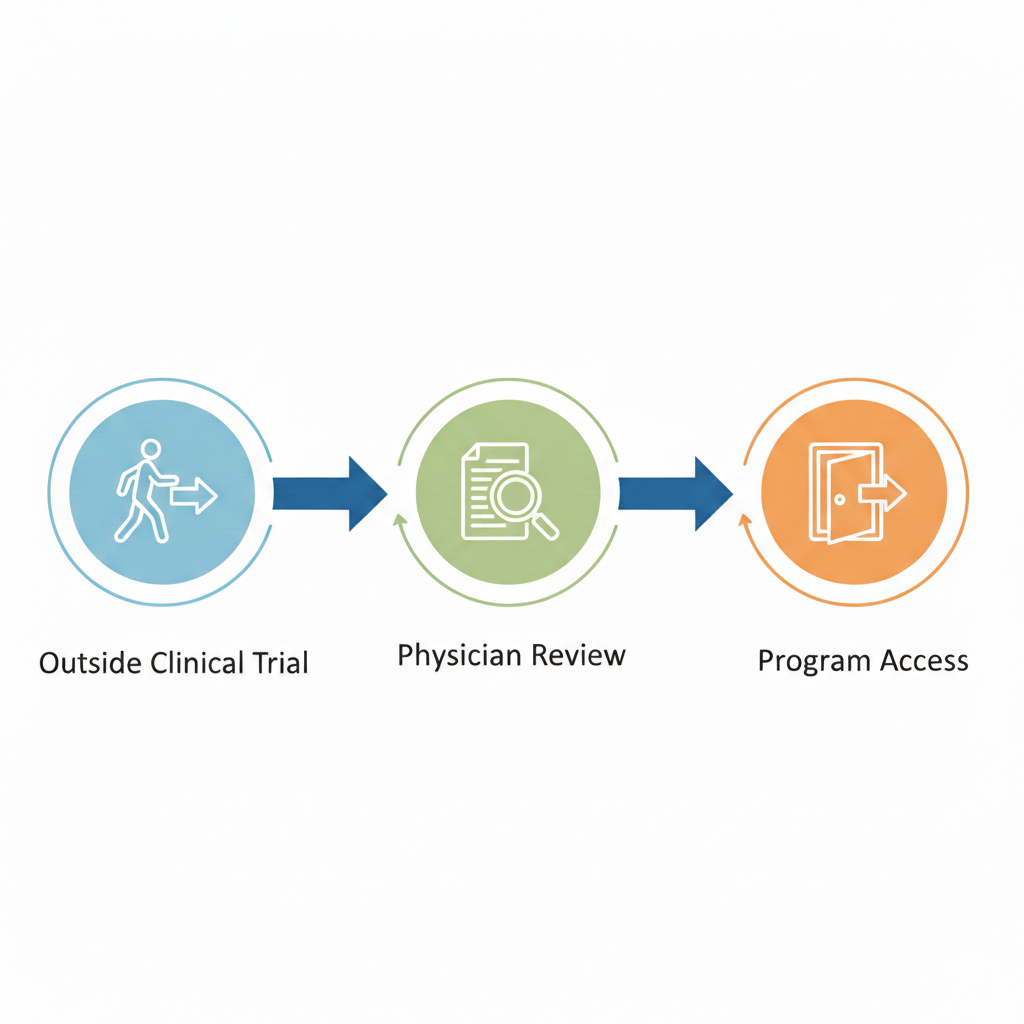
Expanded Access is a pathway that may allow eligible patients to receive an investigational treatment outside of a clinical trial.
This program exists for patients who are living with a serious condition and may have limited options—especially when clinical trial participation is not possible due to location, eligibility restrictions, or trial availability.
TrueBinding launched this Expanded Access Program to provide potential access to TB006 while upcoming Alzheimer’s research and clinical trial plans continue.
This program exists for patients who are living with a serious condition and may have limited options—especially when clinical trial participation is not possible due to location, eligibility restrictions, or trial availability.
TrueBinding launched this Expanded Access Program to provide potential access to TB006 while upcoming Alzheimer’s research and clinical trial plans continue.
Who is Eligible?
Patients may be considered for the Expanded Access Program if they meet core medical and program criteria, such as:
- A diagnosis of Alzheimer’s disease or a related dementia
- Limited or no remaining approved treatment options
- Not able to enroll in an active clinical trial (availability, location, or eligibility)
- A physician determines participation is medically appropriate and potential benefits may outweigh risks
Dementia types that may be included under program review can involve:
- Vascular dementia
- Frontotemporal dementia
- Lewy body dementia
- Mixed pathology dementia
Why This Program Exists
Clinical trials take time and not all patients qualify or have access to an active study. When no trial is currently recruiting—or when participation isn’t possible—Expanded Access can provide a regulated pathway to request access to investigational treatment under medical oversight.
This program supports patients and caregivers seeking options now, while broader clinical development continues.
This program supports patients and caregivers seeking options now, while broader clinical development continues.
Difference from Clinical Trials
Expanded Access and clinical trials may sound similar, but they serve different purposes:
Clinical Trials
Designed to generate research data on safety and effectiveness
Often include strict enrollment requirements
Follow structured study protocols
May involve placebo groups depending on the study
Expanded Access (EAP)
Designed to provide treatment access outside research enrollment
Intended for patients who cannot join a trial
Access is requested through a medical provider under a regulated program
Focus is on medical oversight while development continues